
Blog
Lemon Bottle Fat Dissolving: What the Research Actually Shows in 2026.

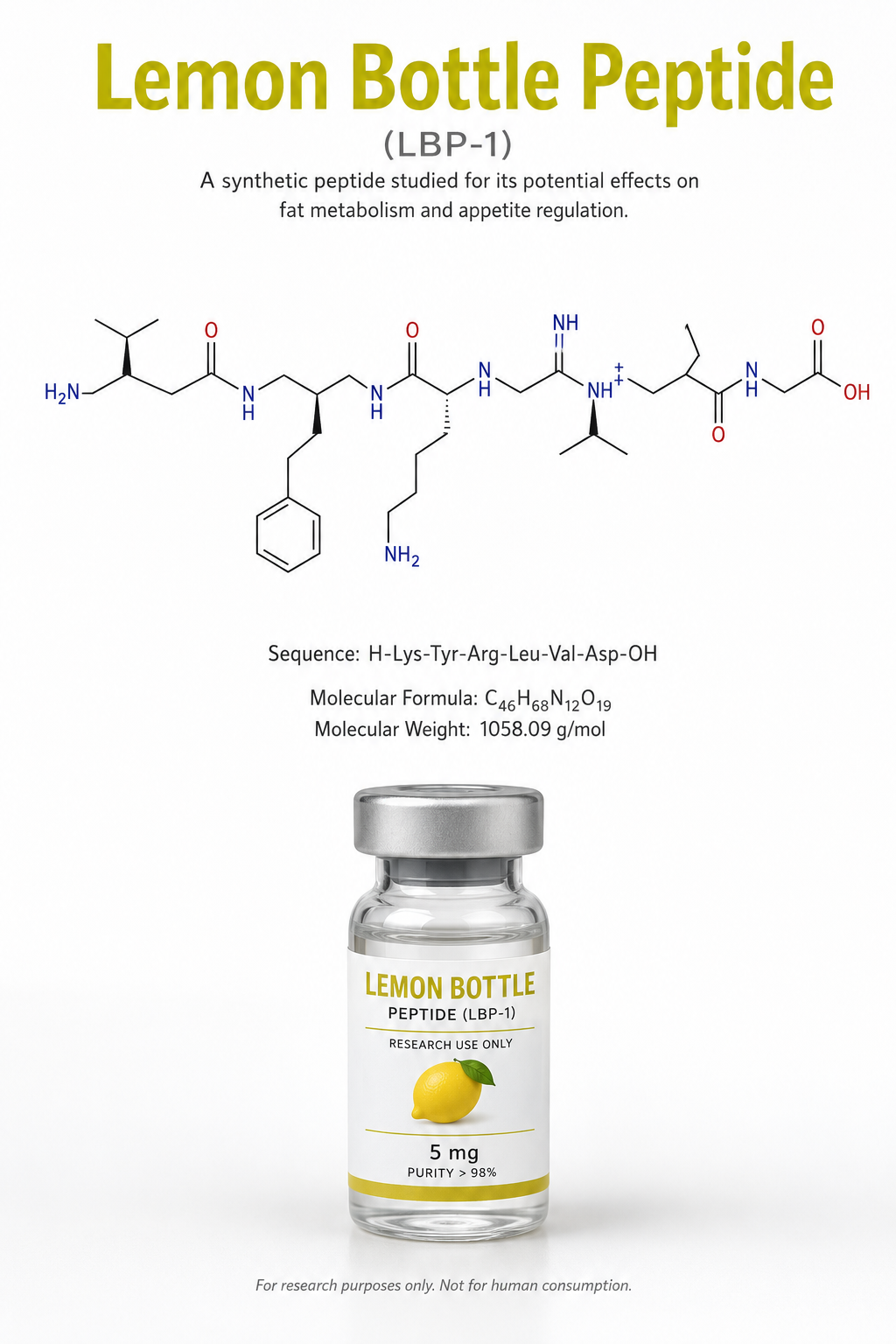
Lemon bottle fat dissolving has become one of the most searched aesthetic treatment terms of 2025 and 2026. Viral before-and-after videos, influencer endorsements, and medspa promotions have turned this South Korean injectable into a household name in the body contouring space. The claims are compelling: a few quick injections, natural botanical ingredients, visible fat reduction with minimal downtime.
The reality, as of mid-2026, is considerably more complicated — and considerably more important to understand before booking a treatment or purchasing a product online.
This comprehensive guide covers exactly what lemon bottle fat dissolving is, what its ingredients actually are, what the evidence does and doesn’t support, the documented risks, the regulatory position across major markets, what genuine before-and-after results look like in practice, how it compares to established fat-dissolving alternatives, and what to ask before considering any fat-dissolving injection treatment.
What Is Lemon Bottle?
<cite index=”99-1″>Lemon Bottle is an injectable solution marketed as a fat dissolver, designed to break down small pockets of stubborn fat when injected under the skin. Made in South Korea by a company called SID Medicos, it has gained massive popularity through social media and is now sold in over 40 countries.</cite>
<cite index=”101-1″>It is classified as a fat-dissolving treatment used to contour small, localized fat deposits through direct subcutaneous injection.</cite>
The product is marketed primarily as a non-surgical approach to localized fat reduction — targeting areas including the chin (submental fat), arms, abdomen, thighs, and flanks. The treatment is typically administered by aesthetic practitioners, nurse injectors, or in some markets, unlicensed practitioners operating outside medical settings.
Despite its widespread commercial availability, lemon bottle fat dissolving occupies a fundamentally different regulatory category than the aesthetic injectables most people are familiar with.
Lemon Bottle Ingredients: What’s Actually in It?
<cite index=”99-1″>Lemon Bottle’s formula centers on three active ingredients: riboflavin (Vitamin B2), bromelain (an enzyme from pineapples), and lecithin (a fat-emulsifying compound found naturally in egg yolks and soybeans). The full ingredient list also includes pineapple fruit extract, gotu kola extract, chamomile extract, and several botanical extracts.</cite>
Understanding each ingredient separately gives a clearer picture of what this product is actually doing — and what it isn’t.
Riboflavin (Vitamin B2)
<cite index=”101-1″>A water-soluble vitamin that plays a role in cellular energy metabolism. It is a naturally occurring compound already present in the body and diet. In Lemon Bottle, it is included as a co-factor for the fat-metabolizing process. Riboflavin itself does not dissolve fat independently.</cite>
Riboflavin’s role in the formula appears primarily as a metabolic co-factor — supporting enzymatic processes rather than directly causing lipolysis (fat breakdown). It’s also what gives Lemon Bottle its characteristic yellow color. There is no established evidence that injecting riboflavin subcutaneously produces meaningful local fat dissolution.
Bromelain
<cite index=”101-1″>A proteolytic enzyme derived from pineapple stems. Documented research supports its anti-inflammatory and enzyme activity. Its specific fat-dissolving effects in injectable form remain under-studied in peer-reviewed human trials. The enzyme may reduce localized swelling and support tissue breakdown, but</cite> the translation of this to clinically significant fat loss when injected subcutaneously is not established in the literature.
<cite index=”104-1″>Bromelain has shown promising properties in certain situations, however, there is a significant lack of scientific evidence to support this claim</cite> in the fat-dissolving context specifically.
Lecithin
Lecithin is a phospholipid — a fat-emulsifying molecule — found naturally in foods including egg yolks and soybeans. It’s related to phosphatidylcholine (PC), the active ingredient in Kybella (deoxycholic acid-based) and Aqualyx, the established injectable fat-dissolvers. Phosphatidylcholine has the most robust published evidence base among injection lipolysis compounds. Lecithin shares some chemical properties but is not phosphatidylcholine, and the two should not be conflated in terms of evidence.
The Evidence Problem: What Clinical Research Actually Shows
This is the most critical section of any honest guide to lemon bottle fat dissolving, because the gap between marketing claims and the clinical evidence base is significant.
<cite index=”99-1″>No peer-reviewed clinical trials have demonstrated that Lemon Bottle effectively dissolves fat. This is not a minor gap. For comparison, Kybella went through extensive clinical testing before receiving FDA approval in 2015, with trials involving hundreds of patients and measurable outcomes.</cite>
The absence of clinical trial data means that:
- There is no established efficacy dose — we don’t know how much of the product, injected how many times, in which areas, produces measurable and consistent fat reduction
- There is no established safety profile from controlled human studies — adverse events are reported anecdotally and through regulatory safety reporting, not through the monitored environment of a clinical trial
- There is no verified mechanism study confirming that the proposed fat-dissolving pathway actually functions as claimed when the formulation is injected subcutaneously in humans
The before-and-after content that drives the product’s social media popularity represents uncontrolled, unverified anecdotal reports — not clinical outcomes data. Multiple confounding factors (weight changes, lighting, posture, clothing, camera angle, simultaneous lifestyle changes) make it impossible to attribute visible changes to the product itself in the absence of controlled comparisons.
Regulatory Status: What Authorities Have Actually Said
This is where the picture becomes most important for anyone considering lemon bottle injections or lemon bottle fat dissolving near me as a treatment option.
United States
<cite index=”99-1″>The FDA issued a warning letter in March 2025 to a U.S. distributor of Lemon Bottle, classifying the product as an unapproved new drug.</cite>
An unapproved new drug designation means the product is being marketed without the clinical trial evidence and manufacturing review the FDA requires before a drug can be legally sold for therapeutic purposes in the US. This is not a minor regulatory distinction — it means no US regulatory body has reviewed and confirmed the product’s safety, efficacy, or manufacturing consistency.
United Kingdom
<cite index=”103-1″>As of July 2026, Lemon Bottle is not a licensed medicinal product or CE-marked medical device in the UK. This lack of official recognition by the Medicines and Healthcare Products Regulatory Agency (MHRA) means the manufacturing standards, ingredient purity, and long-term biological effects haven’t undergone the same rigorous scrutiny as established medical treatments.</cite>
UK aesthetic regulation has been tightening significantly since the passage of the Health and Care Act 2022, which established new licensing requirements for aesthetic procedures. Lemon Bottle’s unlicensed status in the UK means practitioners administering it are operating outside the framework of a regulated medicinal product.
Switzerland
<cite index=”99-1″>Switzerland’s drug regulator, Swissmedic, went further than simply noting the lack of evidence. Their laboratory analyzed Lemon Bottle samples from multiple sources and found that the actual ingredients did not match what was listed on the packaging. In one sample, the only substance detected was caffeine. In another, none of the declared ingredients were found at all. The composition varied dramatically from one package to the next, raising serious questions about manufacturing consistency.</cite>
This finding — from a national drug regulator conducting laboratory analysis, not an opinion piece — is arguably the most serious safety concern documented about Lemon Bottle. Manufacturing inconsistency means that even if the declared ingredients were proven effective and safe at stated concentrations, there is no assurance that what’s in any given vial matches the label.
European Union and Australia
The EU and Australian TGA have not granted marketing authorization for Lemon Bottle as a medical product. In markets where specific aesthetic injectable authorization is required, Lemon Bottle does not have it.
Lemon Bottle Side Effects: What’s Been Reported
Because no controlled clinical trial data exists, the lemon bottle fat dissolving side effect picture comes from anecdotal reports, practitioner observations, and regulatory adverse event reporting. Reported effects include:
Common (post-injection):
- Swelling, redness, and bruising at injection sites — expected with any subcutaneous injection and typically resolves within days
- Tenderness and firmness in treated areas
- Mild itching
Less common but documented:
- Prolonged or excessive swelling beyond the expected window
- Nodule or lump formation at injection sites
- Skin discoloration or pigmentation changes
- Allergic reactions — bromelain is a known allergen, particularly for people with pineapple or latex sensitivity
Serious concerns:
- <cite index=”104-1″>Infections, particularly if products are bought online and self-administered outside of medical supervision</cite>
- Tissue damage from incorrect injection depth or technique
- Contamination risk from products with manufacturing inconsistency (as documented by Swissmedic)
- Unknown long-term effects given the absence of any controlled long-term safety data
The self-administration risk deserves specific emphasis: <cite index=”104-1″>The lemon bottle vials can be purchased online, after which you have to administer the injections yourself.</cite> Self-injecting a product with documented manufacturing inconsistency and no established safe dosing protocol, into subcutaneous fat tissue, without clinical monitoring carries significantly greater risk than receiving the same treatment from a trained practitioner — itself an unregulated procedure in most markets.
Lemon Bottle Before and After: Setting Realistic Expectations
Before and after lemon bottle fat dissolving arms content is among the most shared aesthetic material on TikTok and Instagram in 2025–2026. Understanding what drives this content — and what it doesn’t tell you — is important for any prospective patient.
What before-and-after social media content cannot establish:
- Whether the change was caused by the injection or by simultaneous lifestyle changes
- Whether the result is maintained beyond the photography session
- Whether the change represents fat loss or post-injection swelling/inflammation changes (which can temporarily alter appearance)
- Whether the same result would occur in different body types, treatment areas, or practitioners
What practitioners who use the product report (anecdotally):
- Some patients report visible reduction in small, localized fat deposits after a series of sessions (typically 3–6, spaced 4–6 weeks apart)
- Results appear most anecdotally consistent in areas with small, well-defined fat pockets — chin, inner arms, small localized abdominal deposits
- Results are reported as gradual rather than dramatic, and variable between individuals
The honest summary: there is genuine patient-reported and practitioner-reported activity from this treatment, but the scientific infrastructure to verify, quantify, or reliably predict it does not yet exist.
Lemon Bottle vs Established Alternatives
| Treatment | Active Ingredient | Regulatory Status | Clinical Evidence | Best For |
|---|---|---|---|---|
| Lemon Bottle | Riboflavin, bromelain, lecithin | Unregulated/unapproved (US, UK, EU, AU) | No peer-reviewed clinical trials | Small fat deposits (evidence gap) |
| Kybella (deoxycholic acid) | Synthetic deoxycholic acid | FDA-approved (2015) | Extensive RCT data | Submental (chin) fat — approved indication |
| Aqualyx | Aqueous solution of deoxycholic acid compound | CE-marked in EU; regulated in UK | Published clinical data | Localized fat deposits across multiple areas |
| Phosphatidylcholine/PCDC | Phosphatidylcholine + deoxycholic acid | Not FDA-approved; used off-label | Moderate clinical evidence | Localized fat; used by trained physicians |
| HIFU / Cryolipolysis | Non-injectable (ultrasound/cooling) | Medical device-regulated | Clinical trial data available | Larger areas; non-injectable approach |
The critical distinction in the comparison table: Kybella and Aqualyx have gone through the regulatory processes that Lemon Bottle has not. They have published clinical trial data demonstrating measurable fat reduction. They have established safety profiles from controlled studies. This does not mean Lemon Bottle’s mechanism is necessarily ineffective — it means the evidence required to confirm effectiveness and define safe use has not been gathered.
Lemon Bottle Fat Dissolving Near Me: What to Ask Before Booking
If you’re searching for lemon bottle fat dissolving near me, the most important step before booking is asking your prospective provider a specific set of questions:
Questions to ask any practitioner:
- What is your medical qualification? Injectable treatments — even cosmetic, non-FDA-approved ones — carry procedural risks that require medical training to manage.
- What product formulation are you using? Given Swissmedic’s finding that product composition varies dramatically between suppliers, asking for the specific product, batch number, and supplier is reasonable.
- Can you show me a Certificate of Analysis for the batch? Any reputable supplier should be able to provide third-party testing documentation.
- What are the realistic outcomes for my specific area? Be skeptical of any practitioner who guarantees specific results for an unvalidated treatment.
- What is your protocol if I have an adverse reaction? A qualified practitioner should have a clear answer and access to appropriate medical support.
- Are you aware this product is not FDA/MHRA approved? A practitioner who presents Lemon Bottle as a fully regulated, approved treatment is either misinformed or being misleading.
The best aesthetic practitioners will give you honest answers to all of these questions, including frank discussion of the evidence limitations, before proceeding.
The Broader Context: Injectable Lipolysis as a Field
Injection lipolysis — using injectable compounds to dissolve localized fat — is a legitimate area of aesthetic medicine with a real, if modest, evidence base. The principles are sound: certain compounds, when injected into subcutaneous fat, can trigger adipocyte (fat cell) disruption and subsequent clearance by the immune system. Deoxycholic acid does this, and the FDA agreed with the evidence sufficiently to approve Kybella for submental fat.
Lemon Bottle’s claimed mechanism — using botanical enzymes and phospholipids to achieve a similar effect — is theoretically plausible. Bromelain does have enzymatic activity. Lecithin does have emulsifying properties. The gap is not in the theory but in the validation: without controlled human trials, we cannot confirm that these specific compounds, at these specific concentrations, injected subcutaneously in humans, produce consistent and meaningful fat reduction — nor can we definitively characterize what risks come with that.
That validation gap is the single most important fact about lemon bottle fat dissolving that the viral content and aesthetic marketing does not communicate.
Frequently Asked Questions
What is lemon bottle fat dissolving? Lemon Bottle is an injectable solution marketed for non-surgical localized fat reduction. It contains riboflavin (Vitamin B2), bromelain (a pineapple enzyme), and lecithin as its main active ingredients. It is manufactured in South Korea and sold in over 40 countries, primarily through aesthetic clinics and online vendors.
Is lemon bottle FDA approved? No. The FDA issued a warning letter in March 2025 classifying Lemon Bottle as an unapproved new drug in the US. It is also not licensed as a medicinal product or CE-marked device in the UK, EU, or Australia.
Does lemon bottle fat dissolving work? No peer-reviewed clinical trials have demonstrated that Lemon Bottle effectively dissolves fat. Some practitioners and patients report anecdotal results in small localized areas, but these cannot be attributed to the product specifically without controlled study data. The Swiss regulatory authority found significant ingredient inconsistencies between batches, further complicating any efficacy assessment.
What are the lemon bottle injections side effects? Reported side effects include post-injection swelling, redness, bruising, tenderness, nodule formation, and in some cases prolonged swelling or allergic reactions (particularly relevant for anyone with pineapple or latex sensitivity due to bromelain content). Serious risks including infection and tissue damage are higher when self-administered outside a clinical setting.
How many sessions are typically used? Practitioners who use the product typically administer 3–6 sessions spaced 4–6 weeks apart. There is no clinical trial data establishing what session number, frequency, or dose produces consistent results.
Are there safer, better-evidenced alternatives? Yes. Kybella (deoxycholic acid) is FDA-approved specifically for submental fat and has extensive Phase 3 clinical trial data. Aqualyx is CE-marked and has published clinical evidence. For broader fat and weight management, GLP-1 receptor agonist therapies (semaglutide, tirzepatide) have the most robust clinical evidence for meaningful fat reduction overall.
Summary
Lemon bottle fat dissolving sits at an unusual intersection: a product with enormous social media reach, genuine commercial momentum, real practitioners offering it in clinics worldwide — and a significant deficit in the foundational evidence that would validate its claimed effects and establish its safe use parameters.
The key points to carry forward:
- No peer-reviewed clinical trials confirm efficacy
- Regulatory authorities in the US, UK, Switzerland, and EU have raised concerns or taken direct action
- Manufacturing consistency issues have been documented by laboratory analysis
- The ingredient profile is theoretically interesting but clinically unvalidated at the concentrations and formulation used
- Established alternatives (Kybella, Aqualyx) exist with better evidence and regulatory status for the same indication
For people genuinely researching localized fat reduction options, the honest path is to consult a qualified aesthetic or medical practitioner who can discuss both Lemon Bottle and the evidence-supported alternatives, be transparent about what is and isn’t established, and recommend an approach based on your specific anatomy, goals, and health profile — not on what’s trending on social media this month.
For broader structural and tissue health support alongside any body contouring or aesthetic programme, collagenpeptideseu.com provides a research-grounded resource on collagen peptides and their role in skin elasticity, firmness, and connective tissue health — a relevant complement to any fat-reduction aesthetic approach.
Authoritative External References:
- FDA Warning Letter to Lemon Bottle US Distributor, March 2025 — fda.gov
- Swissmedic Safety Communication on Lemon Bottle Analysis — swissmedic.ch
- MHRA — Regulation of aesthetic injectables in the UK (Health and Care Act 2022 framework) — gov.uk
- Rotunda AM & Kolodney MS (2006). Mesotherapy and phosphatidylcholine injections: historical clarification and review. Dermatologic Surgery. PMID: 16681655 (foundational injection lipolysis reference)
- Jones DH, et al. (2016). Deoxycholic acid for reduction of submental fat — full Phase 3 data. JAMA Dermatology. PMID: 26561400
This article is for informational and educational purposes only and does not constitute medical advice. Lemon Bottle is not FDA-approved, MHRA-licensed, or CE-marked. Always consult a licensed and qualified healthcare professional before considering any injectable aesthetic treatment.