
Blog
GLOW Peptide Blend: Benefits, Components, Side Effects, and What the Research Shows

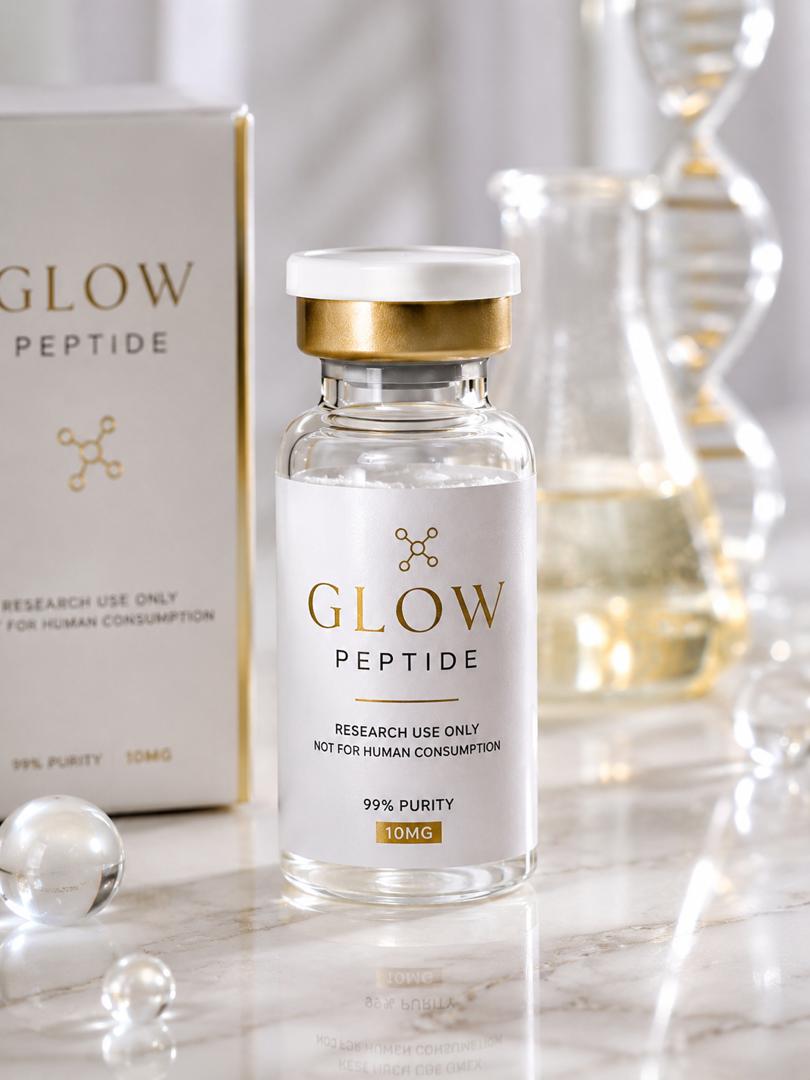
GLOW Peptide Blend: Benefits, Components, Side Effects, and What the Research Shows
GLOW Peptide Blend.
The GLOW peptide has emerged as one of the most popular tri-peptide blends in regenerative and functional medicine — and for good reason. By combining three of the most well-researched regenerative peptides into a single synergistic formulation, the GLOW blend peptide takes a multi-pathway approach to tissue repair, skin rejuvenation, and recovery that no single peptide can match on its own.
Whether you’re a researcher, a functional medicine practitioner, or someone exploring peptide therapy under clinical supervision, this comprehensive guide covers everything you need to know about the GLOW peptide: what it is, what each component does, the documented GLOW peptide benefits from preclinical research, expected GLOW peptide results, the known side effect profile, how it compares to the KLOW blend, and what clinical administration looks like in supervised practice.
What Is GLOW Peptide? The Three-Component Blend Explained
What is GLOW peptide? At its core, GLOW is a precision-formulated, tri-peptide blend combining three well-documented regenerative compounds:
- GHK-Cu (Glycyl-L-Histidyl-L-Lysine Copper) — 50mg
- BPC-157 (Body Protective Compound 157) — 10mg
- TB-500 (Thymosin Beta-4 synthetic fragment) — 10mg
The standard GLOW stack peptide formulation comes as a 70mg lyophilized vial in a 5:1:1 ratio — GHK-Cu making up the majority at 50mg, with BPC-157 and TB-500 at 10mg each. This ratio is deliberate: GHK-Cu’s collagen-signaling and regenerative role is dose-dependent, and the higher proportion reflects its foundational function within the blend.
What does GLOW peptide do? Each of the three components targets a distinct biological mechanism, and together they address multiple simultaneous stages of the tissue repair and regeneration cascade — from angiogenesis and collagen synthesis to cellular migration and inflammation modulation. The synergy between the three is the central rationale for the blend: they don’t overlap, they layer.
Breaking Down the GLOW Blend: What Each Peptide Does
GHK-Cu — Collagen, Skin, and Regenerative Signaling
GHK-Cu (Glycyl-L-Histidyl-L-Lysine Copper) is a naturally occurring copper-binding tripeptide found in human plasma, saliva, and urine. It holds one of the longest research histories of any peptide in this class — over four decades of published study — making it the most rigorously characterized component in the GLOW blend.
Its key documented functions include:
- Collagen and elastin stimulation: GHK-Cu upregulates genes involved in type I and III collagen production, as well as elastin — the structural proteins responsible for skin firmness, joint integrity, and connective tissue strength.
- Angiogenesis: GHK-Cu stimulates vascular endothelial growth factor (VEGF) expression, improving capillary density in damaged tissue and enhancing oxygenation and nutrient supply to healing areas.
- Gene expression modulation: Research has shown GHK-Cu influences thousands of genes involved in repair, anti-inflammation, and antioxidant defense — earning it a reputation as a broad “regenerative signal” at the cellular level.
- Antioxidant defense: Its copper-binding action supports antioxidant mechanisms, reducing oxidative stress in aging and damaged tissue.
- Skin rejuvenation: Studies published in Aging Pathobiology and Therapeutics and dermatological journals have documented measurable improvements in skin health markers — including density, thickness, texture, and reduction of fine lines — in models using GHK-Cu.
Critically, GHK-Cu levels decline with age: from approximately 200 ng/ml in early adulthood to around 80 ng/ml by age 60. This age-related decline correlates with slower healing and visible skin degeneration, which is part of why this peptide has received sustained research interest as a potential interventional tool in age-related tissue decline.
BPC-157 — Tissue Repair and Musculoskeletal Recovery
BPC-157 (Body Protective Compound 157) is a pentadecapeptide — a 15-amino acid chain — originally isolated from human gastric juice. It is one of the most extensively studied peptides in preclinical research for musculoskeletal healing and gastrointestinal protection.
Key mechanisms and documented research findings include:
- Tendon and ligament healing: Research published in the Journal of Applied Physiology showed BPC-157 significantly accelerates tendon healing through enhanced cell migration and collagen synthesis. It has been found to promote outgrowth, survival, and migration of tendon fibroblasts in experimental models — particularly relevant for tissue like tendons and ligaments that are otherwise slow to heal due to poor blood supply.
- Angiogenesis via nitric oxide signaling: BPC-157 promotes new blood vessel formation at injury sites through activation of FAK/AKT/eNOS pathways and modulation of nitric oxide — improving local blood flow and accelerating the delivery of repair signals to damaged tissue.
- Gastrointestinal protection: Originally derived from gastric tissue, BPC-157’s gut-protective properties are among its most replicated research findings. Animal studies have shown it supports mucosal integrity, reduces intestinal inflammation, and accelerates healing of the gut lining.
- Anti-inflammatory and cytoprotective effects: BPC-157 modulates pro-inflammatory cytokines and protects cells from oxidative and inflammatory stress, complementing GHK-Cu’s antioxidant functions within the blend.
TB-500 — Cellular Migration and Tissue Remodeling
TB-500 is a synthetic fragment of Thymosin Beta-4 — a naturally occurring peptide involved in cell movement, repair signaling, and angiogenesis. Where BPC-157 stimulates the repair signal and GHK-Cu architects the structural rebuilding, TB-500 manages the logistics of how repair cells move and organize.
Its primary mechanisms include:
- Actin modulation and cell migration: TB-500 works by binding G-actin, the monomeric form of the structural protein actin. This interaction facilitates cellular migration — the process by which repair cells (fibroblasts, endothelial progenitor cells, muscle cells) travel to the site of injury. This is critical in the early and mid-stages of wound healing, where the speed and efficiency of cell migration directly affects recovery timelines.
- Angiogenesis and vascular remodeling: TB-500 mobilizes endothelial progenitor cells and supports vascular remodeling, restoring blood flow in ischemic or wounded areas. This angiogenic effect complements GHK-Cu’s VEGF upregulation — two independent mechanisms converging on the same goal of improving tissue oxygenation.
- Reduced fibrosis and scarring: Research has found TB-500 supports organized tissue remodeling rather than scar formation, an important distinction for musculoskeletal and dermatological applications where scar tissue compromises function and appearance.
- Anti-inflammatory activity: TB-500 reduces inflammatory markers at sites of injury, providing a third complementary anti-inflammatory mechanism within the GLOW stack alongside BPC-157 and GHK-Cu.
GLOW Peptide Benefits: What the Research Supports
The combination of GHK-Cu, TB-500, and BPC-157 addresses several distinct, yet overlapping biological pathways. The documented GLOW peptide benefits from preclinical and observational research include:
Comprehensive tissue repair. The three-component synergy addresses angiogenesis, cell migration, collagen synthesis, and inflammatory modulation simultaneously — covering multiple stages of the healing cascade at once rather than targeting a single pathway.
Skin rejuvenation and collagen support. GHK-Cu’s collagen and elastin stimulation, combined with BPC-157’s angiogenic blood-flow improvement, creates an environment where dermal tissue can repair and remodel more effectively. Clinicians using the GLOW blend in aesthetic and post-procedure recovery contexts report improvements in skin firmness, texture, and overall quality, particularly following procedures like microneedling, laser, or dermabrasion that accelerate the skin’s renewal cycle.
Musculoskeletal recovery. BPC-157’s documented effects on tendon fibroblast activity and TB-500’s cellular migration enhancement work together in musculoskeletal healing contexts — particularly for tendons, ligaments, and muscle tissue that are slow to heal due to limited vascularity.
Gastrointestinal support. BPC-157’s gut-protective properties make GLOW relevant in functional medicine contexts involving gut barrier integrity, mucosal repair, or gastrointestinal inflammation.
Anti-aging tissue support. GHK-Cu contributes to vascular stabilization and tissue oxygenation, while its gene-expression effects on collagen, elastin, and antioxidant defense mechanisms support the broader anti-aging research interest in this peptide.
Wound healing with reduced scarring. TB-500’s anti-fibrotic and cell-migration properties, combined with BPC-157’s angiogenic and cytoprotective effects, support more organized wound healing with less scar formation.
GLOW Peptide Results: What to Realistically Expect
GLOW peptide before and after results reported in clinical and observational settings tend to follow a consistent pattern — though it’s important to note that no published randomized controlled trial has tested BPC-157, TB-500, and GHK-Cu as a combined human clinical intervention. What’s available is the individual component research (substantial, particularly for GHK-Cu) plus observational data from functional medicine practice.
From clinical observations and the animal model research on each component:
- Weeks 2–4: Most early responders report the first changes in tissue comfort, reduced inflammation or discomfort in recovering injuries, and early improvements in skin quality and texture.
- Weeks 4–8: More pronounced tissue repair in musculoskeletal contexts — improved mobility, reduced stiffness, better structural tissue feel. Continued skin improvements including enhanced elasticity and firmness.
- Weeks 8–12 and beyond: Deeper tissue remodeling, with the most significant collagen-related changes (skin density, structural integrity) typically reported in this window, consistent with the biological timeline of collagen synthesis and dermal remodeling.
Individual responses vary based on age, health status, the specific application, and protocol design. These timelines represent general observational patterns, not guaranteed outcomes for any individual.
GLOW Peptide Side Effects
The side effects of GLOW peptide injection are generally consistent with what’s observed in research on each individual component. Based on available research and clinical observation:
Injection-site reactions are the most commonly reported: localized redness, mild swelling, or transient discomfort at the subcutaneous injection site. These typically resolve quickly and are manageable with standard injection technique.
Mild gastrointestinal effects have been occasionally noted, consistent with BPC-157‘s gut-active mechanism. These are generally transient.
Fatigue or mild headache during initial use has been reported anecdotally, though these are not consistently documented in the preclinical literature.
No significant toxicity has been documented in current animal model research for BPC-157 or GHK-Cu specifically. Current toxicology studies in rat models have not demonstrated nephrotoxicity (kidney damage) associated with BPC-157 at research-studied levels, though long-term human systemic safety data is still limited.
One important regulatory note: BPC-157 and TB-500 are both prohibited substances under the World Anti-Doping Agency (WADA) prohibited list for competitive athletes. Anyone subject to anti-doping regulations should be aware of this before considering any peptide therapy involving these compounds.
GLOW Peptide Reconstitution and Administration: What to Expect from Your Provider
The GLOW peptide reconstitution process involves adding bacteriostatic water to the lyophilized (freeze-dried) peptide vial to prepare it for injection. The exact reconstitution volume determines the concentration per unit drawn — which is why this step must be performed precisely, under the guidance of or by a licensed provider, rather than approximated.
In clinical practice, GLOW is typically administered as a subcutaneous injection — meaning into the fatty tissue just beneath the skin, most commonly in the abdomen or other suitable subcutaneous sites identified by your provider. The question of where to inject GLOW peptide is answered individually based on clinical assessment, treatment goals (for example, proximity to a target tissue may or may not be relevant depending on the application), and provider protocol.
Regarding GLOW peptide dosage and the GLOW peptide dosage chart: because GLOW is a physician-supervised compounded therapy, dosage is determined by your treating provider based on your health history, body weight, treatment goals, and the specific formulation dispensed. There is no universal dosing chart that applies across individuals — and because no completed human clinical trial exists for the GLOW blend as a combined formulation, all dosage decisions are clinician-derived from individual component research and clinical observation. A qualified provider trained in peptide therapy is the right and only appropriate source for your personal dosage guidance.
GLOW vs KLOW Peptide: Which Is Right for You?
The GLOW vs KLOW peptide question is one of the most frequently searched comparisons in this space. The short answer: KLOW builds on GLOW by adding a fourth component — KPV, a potent anti-inflammatory tripeptide derived from alpha-melanocyte stimulating hormone (α-MSH).
| GLOW Peptide | KLOW Peptide | |
|---|---|---|
| Components | GHK-Cu, BPC-157, TB-500 | GHK-Cu, BPC-157, TB-500 + KPV |
| Total blend | ~70mg | ~80mg |
| Anti-inflammatory pathways | BPC-157 + GHK-Cu + TB-500 | All of GLOW + KPV’s NF-κB inhibition |
| Gut health focus | BPC-157 | BPC-157 + KPV (complementary mucosal support) |
| Complexity | Three-pathway approach | Four-pathway approach |
| Best suited for | Skin rejuvenation, musculoskeletal recovery, general tissue repair | More complex inflammatory conditions, gut dysfunction, or broader immune modulation needs |
GLOW is the cleaner, more focused formulation — ideal when the primary goals are tissue repair, skin collagen support, and musculoskeletal recovery. KLOW adds KPV’s deeper immune-modulating mechanism for contexts where systemic inflammation or gut barrier support is a more prominent concern. A provider familiar with peptide therapy can help determine which formulation fits your specific clinical picture.
GLOW, Collagen Peptides, and the Broader Picture
GHK-Cu’s central role in the GLOW blend connects directly to the wider world of collagen peptide research — an area where oral supplementation and systemic peptide support intersect. While GLOW’s GHK-Cu component works through cellular signaling and gene expression rather than direct collagen supplementation, both approaches ultimately support the same biological goal: maintaining and restoring the body’s structural protein systems that decline with age and stress.
If you’re interested in the complementary science of collagen peptides — including the research on how oral collagen hydrolysates support skin elasticity, joint health, and connective tissue integrity — collagenpeptideseu.com offers a well-researched resource on this topic. Understanding how targeted peptide therapy (like GLOW) and nutritional collagen support (like hydrolyzed collagen peptides) can work as complementary strategies is increasingly relevant for anyone researching skin, joint, and connective tissue health comprehensively.
Frequently Asked Questions
What is GLOW peptide and what does it do? GLOW is a tri-peptide blend combining GHK-Cu (50mg), BPC-157 (10mg), and TB-500 (10mg) in a single lyophilized vial. It’s designed to support tissue repair, collagen synthesis, cellular migration, angiogenesis, and inflammation modulation through three complementary biological pathways simultaneously.
What are the main GLOW peptide benefits? Preclinical and observational research supports benefits including accelerated musculoskeletal recovery, skin rejuvenation and collagen support, gastrointestinal mucosal repair, wound healing with reduced scarring, and systemic anti-inflammatory effects.
What are the side effects of GLOW peptide injection? The most commonly reported side effects are injection-site reactions (redness, mild swelling, transient discomfort). Mild gastrointestinal effects have been occasionally noted. No significant toxicity has been documented in current animal model research at research-studied levels.
What is the difference between GLOW and KLOW peptide? KLOW adds a fourth component — KPV, an anti-inflammatory tripeptide — to the GLOW formulation. GLOW is the three-peptide foundational blend; KLOW is the expanded four-peptide version with deeper anti-inflammatory and gut-health coverage.
Is GLOW peptide FDA approved? The individual components of GLOW are not FDA approved for disease treatment. GLOW is a compounded peptide blend offered through licensed clinics and compounding pharmacies for use under physician supervision.
How is GLOW peptide administered? In clinical practice, GLOW is typically administered as a once-daily subcutaneous injection, with exact dosage, reconstitution volume, injection site, and cycle length determined by a licensed provider based on individual assessment.
This article is for informational and educational purposes only and does not constitute medical advice. GLOW is a compounded peptide formulation intended for use only under the supervision of a licensed healthcare provider. Always consult a qualified medical professional before beginning any peptide therapy.